
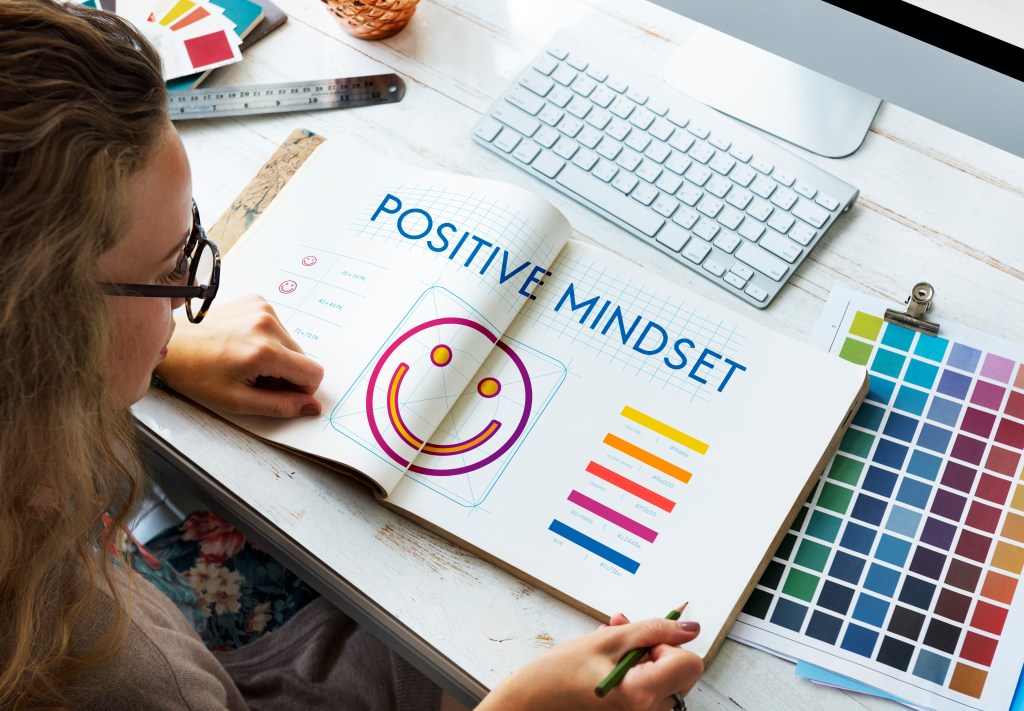
A mindset is a collection of ideas that determine how we see the world and ourselves in various situations, impacting our thoughts, feelings, and actions.
Table of Content
Why does mindset matter?
According to Stanford psychologist, Carol Dweck, these beliefs have a substantial impact on our objectives and achievement. Mindsets can affect behavior in a variety of life scenarios because they activate distinct mindsets that have a direct impact on our behaviors in various settings.
How many types of mindsets?
There are two types of mindsets: fixed and growing. A fixed mentality regards skills as fixed attributes that lead to success with little effort. A growth mentality, on the other hand, thinks that skills may be developed over time with work and dedication.
This perspective does not believe that everyone can become a genius or Mozart just by trying, but it does believe that anyone can enhance their talents.
How to develop our mindset!?

You literally acknowledge that there are many ways, but here are some tips for cultivating a development of your mindset:
- Recognize and appreciate flaws
- Consider difficulties to be opportunities
- Experiment with various learning strategies
- Follow the brain plasticity research
- Replace the term “failing” with “learning”
Recognize and appreciate flaws
You have to understand that no one is flawless and that everyone has imperfections. For example, you may be good at Math, but not English or other subjects. Therefore, open your mind for it.
Consider difficulties to be opportunities
Instead of being afraid of problems, you have to view them as chances for progress. Your future depends on all of these points of view. If you have difficulties completing tasks, consider Eisenhower Matrix!
Experiment with various learning strategies
There is no one-size-fits-all learning methodology. What works for one individual might not work for the others, so you need to try as many as possible. Check if VARK can help you!
Follow the brain plasticity research
The brain is not fixed, and neither should the intellect be. You have to keep learning and improving your imperfections. This helps search your true color inside you.
Replace the term “failing” with “learning”
You haven’t failed if you make a mistake or fall short of a goal; you’ve simply learnt. Remember the first thing you failed was not able to walk as a baby. However, you have learned it anyway.






 Rotana K., English